Vehicle fitting notes

Wedding Fleet

Match the vehicle to the dress, the luggage, and the venue entrance, not to the passenger count. Capacity is a ceiling, not a target.

Guest fitFormalwear comfortLuggage plan
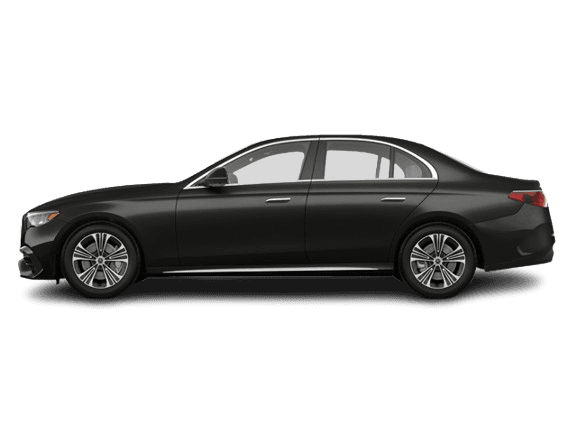
Executive Sedan vehicle reference

Wedding vehicle file

Executive Sedan

A private-car option for couple, parent or officiant trips. Confirm door access, luggage and loading permission at the venue.

Mercedes E-Class, BMW 5 Series, Cadillac CT5 and equivalents
Up to 3 passengers Confirm the actual passenger and bag list against the assigned vehicle Allow extra room for dresses, jackets, bouquets, and personal items.
  • Leather interior
  • Climate control
  • Phone charging
  • Bottled water
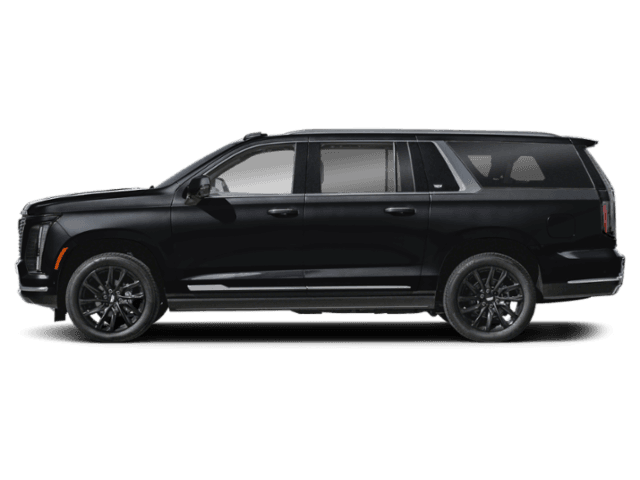
Luxury SUV vehicle reference

Wedding vehicle file

Luxury SUV

Consider an SUV for family trips and luggage. Check the assigned vehicle’s step height, door opening and passenger needs before choosing it.

Cadillac Escalade, Lincoln Navigator, Mercedes GLS and equivalents
Up to 6 passengers Confirm luggage space with the full passenger load Allow extra room for dresses, jackets, bouquets, and personal items.
  • Extra luggage space
  • Higher entry height
  • Tinted rear glass
  • USB charging throughout
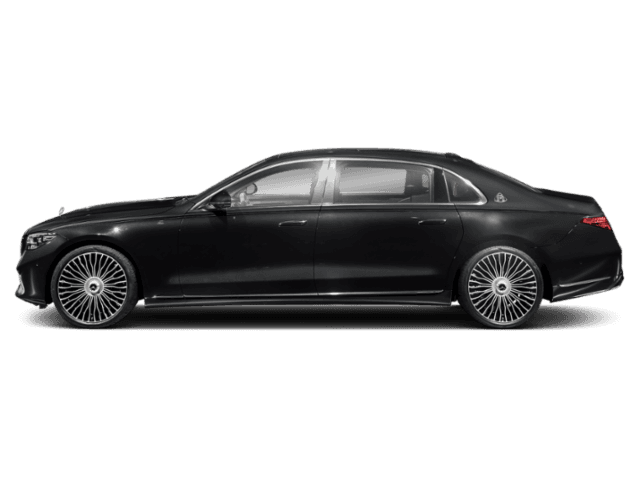
Mercedes S-Class vehicle reference

Wedding vehicle file

Mercedes S-Class

The arrival car. Chosen when the vehicle is part of what the moment communicates: bridal arrivals, principal transport, and departures that will be photographed.

Mercedes-Benz S-Class
Up to 3 passengers Confirm luggage and garment-bag space before assignment Allow extra room for dresses, jackets, bouquets, and personal items.
  • Rear cabin comfort
  • Quiet ride
  • Climate zones
  • Confirm door opening for formalwear
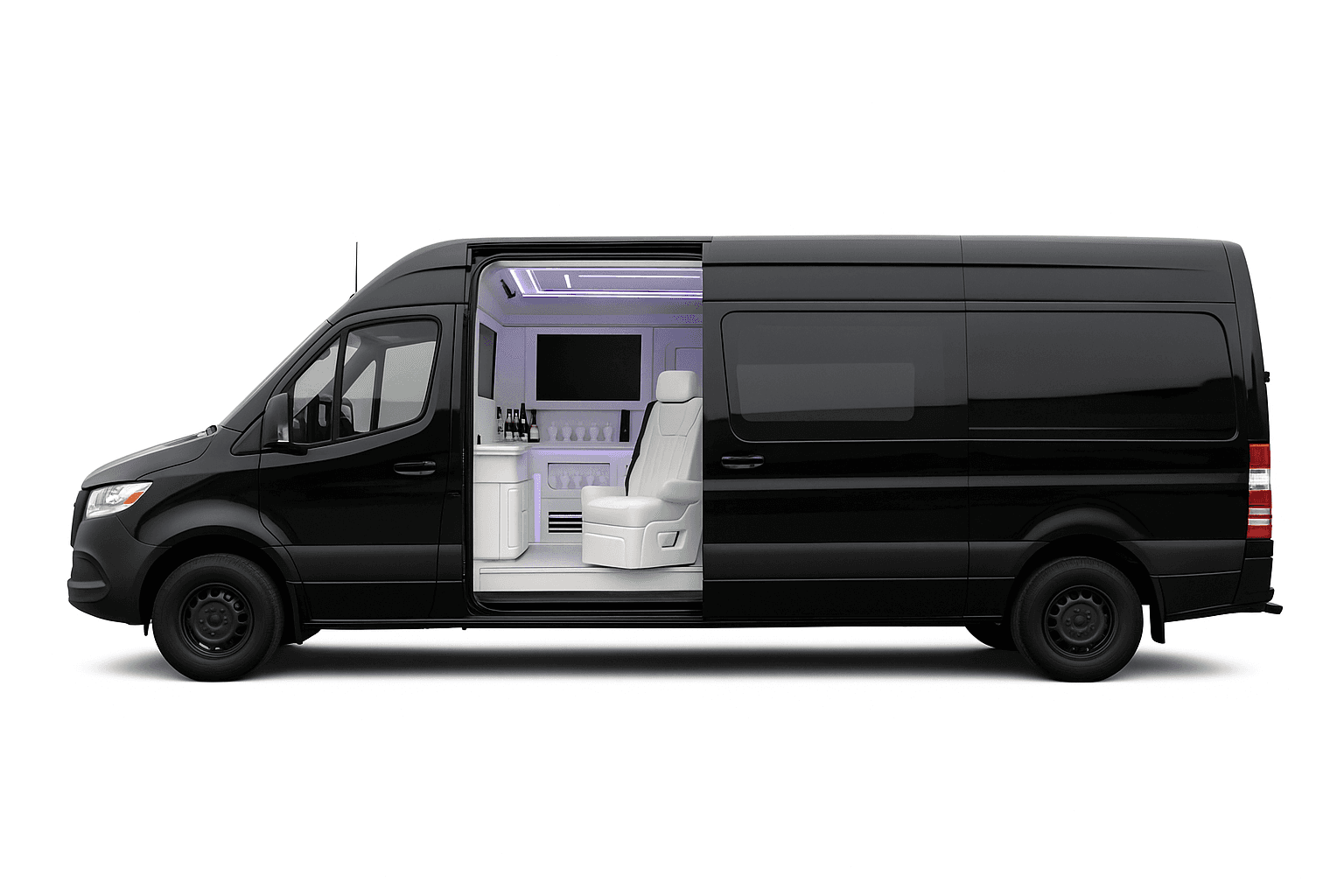
Mercedes Sprinter vehicle reference

Wedding vehicle file

Mercedes Sprinter

Consider a Sprinter for a wedding party or guest wave. Confirm its assigned seating, luggage space, step height and loading access.

Mercedes-Benz Sprinter, executive and shuttle configurations
Confirm assigned seating and luggage layout Varies by configuration. Executive layouts trade seats for luggage space. Allow extra room for dresses, jackets, bouquets, and personal items.
  • Standing height in executive layouts
  • Wide side door
  • Overhead storage
  • Confirm seating and luggage together

Wedding vehicle file

Stretch Limousine — request and confirm

The traditional choice, and the right one when the look is the point. Needs more curb length than most New York venues have, so check access before committing.

Lincoln and Chrysler stretch coachwork
Capacity and availability require confirmation Minimal. Plan luggage into a separate vehicle. Allow extra room for dresses, jackets, bouquets, and personal items.
  • Bar area
  • Mood lighting
  • Privacy partition
  • Bench seating

Fleet selection · planning reference

Choose the vehicle by fit, not by seat count

Every fleet page in this industry lists passenger capacity, and passenger capacity is the least useful number on the page. A sedan seats three. It does not seat three adults in formalwear with luggage, and it does not seat a bride in a structured gown plus two bridesmaids, though the arithmetic says otherwise.

The variables that actually decide the right vehicle are the door aperture relative to the dress, the seat height relative to the passengers' mobility, the luggage volume relative to what people are genuinely carrying, and the vehicle's dimensions relative to the venue's approach. None of those appear in a seat count, and all four of them can ruin an arrival.

This page is organized around those variables. The capacities are here because you need them, but treat them as ceilings rather than as targets, and size up whenever the passengers are in formalwear or carrying luggage.

Matching the passenger to the vehicle

Common wedding scenarios and the vehicle that fits
SituationVehicleWhy
Structured gown with a trainExecutive sedan or S-ClassWide rear door aperture and a low sill. The bride should sit in the actual vehicle class before the day rather than choosing from a photograph.
Gown with a full skirtLuxury SUVLateral space matters more than door height here. Confirm space using the gown dimensions and actual vehicle layout.
Guest with limited mobilityLuxury SUVAsk the passenger what assistance they need; confirm step height, handholds and any accessible vehicle requirement.
Wedding party of eight in formalwearSprinterStanding height and a wide side door. Compare the complete van quote with the complete multi-car quote; name a lead passenger for each vehicle.
Parents and grandparentsLuxury SUVThe shortest walk from vehicle to door. This vehicle should stage closest to the entrance, ahead of the couple's car if necessary.
Airport arrival, family of four with checked bagsLuxury SUVLuggage volume, not seat count, is the constraint. Four adults with four large bags do not fit a sedan.
Guest shuttle, 60 people2 SprintersCalculate seats per assigned vehicle multiplied by feasible trips. Two 12-seat vehicles making two trips provide 48 seat-trips, so a 60-guest movement requires more trips or capacity.

How many vehicles a wedding actually needs

The fleet size is determined by simultaneity, not by guest count. Two weddings with a hundred and forty guests each can need three vehicles or seven, depending entirely on how many movements have to happen at the same time.

Work it out by listing every movement with a time attached, then looking for overlaps. If the wedding party leaves the hotel at 2:30 and the parents leave a different building at 2:30, that is two vehicles regardless of how many hours either one is booked for. If they leave ninety minutes apart from the same building, it can be one.

The common shape for a New York wedding is four to six vehicles: a couple's car, a family SUV, a wedding-party Sprinter, one or two guest shuttles, and a standby car where cost allows. Weddings entirely contained in a single hotel need far fewer, sometimes only the couple's car. Weddings with a ceremony in one borough, a reception in another, and a hotel block in a third need more.

The standby car is the one most often cut and most often missed. It has no itinerary; its value is that when the ring box is at the apartment, a grandparent needs to leave early, or a vendor is stranded, there is a vehicle available immediately rather than a scramble.

Venue access decides more than you expect

The largest vehicle a venue can actually accept is frequently smaller than the largest vehicle you want, and this is discovered on the night far more often than it should be. Three questions, asked of the venue rather than assumed, resolve nearly all of it.

  • Is there a height restriction on the approach? Sprinters do not fit under some hotel porte-cochères and do not fit into most parking structures. A covered drop-off that excludes your shuttle is a rainy walk for the guests.
  • How many vehicles can stage at once? Manhattan venues frequently answer one, sometimes zero. Where staging is limited, vehicles wait off site and are called forward, which works well but has to be planned.
  • Can a full-size vehicle turn around? Long private driveways at estate and farm venues are often single-track with no turning circle, which means a Sprinter either reverses several hundred yards in the dark or does not come down the drive.
  • Is the loading area shared with catering? It usually is, the conflict happens at exactly the hour guests arrive, and catering usually wins.
  • What is the surface like after rain? Vineyard and farm venues with grass or gravel parking are a different proposition in September than they were on a July site visit.

What each class is genuinely good at

The executive sedan is the least glamorous entry here and the most useful. It fits anywhere, costs the least per hour, and handles the majority of the movements a wedding weekend generates: parents, the officiant, a vendor run, a guest leaving early, the standby car. Most weddings under-book sedans and over-book everything else.

The luxury SUV is the one to default to when there is any doubt. Higher entry, more lateral room, real luggage capacity, and it handles both a family group and an airport arrival without complaint. It costs modestly more than a sedan and solves considerably more problems.

The S-Class is a communication tool. It is the same journey as the sedan with a different meaning attached, which is exactly what you want for a bridal arrival and exactly what you do not need for a Sunday airport run.

The Sprinter is the best value per passenger by a wide margin and the vehicle most likely to be unavailable if you book late. Regional supply is small relative to demand and it commits months ahead on peak Saturdays. If your plan needs two or three, book them before anything else.

The stretch limousine is a specific aesthetic choice. It is harder to park, harder to enter in a fitted dress, and holds less luggage than its length suggests. When the traditional look is what the couple wants, none of that matters and it is the right vehicle. When it is chosen because it sounds like what a wedding should have, a Sprinter usually serves better.

Questions worth asking about a vehicle before you book it

Fleet photography is universally flattering and universally uninformative. These are the questions that produce answers you can actually plan around, and most of them take a reservation agent under a minute to answer.

  • What model year is the vehicle likely to be? Operators rarely guarantee a specific car, but they can tell you the age range of the class. A five-year spread in a fleet is normal; a fifteen-year spread is a signal.
  • Is this class guaranteed, or is it a request? There is a real difference between reserving an S-Class and reserving "a luxury sedan, S-Class preferred." For a bridal car, insist on the former and get it in writing.
  • What is the substitution policy? A replacement of equal or better class is reasonable. A clause offering "a comparable vehicle" with no definition of comparable is not.
  • How is the Sprinter configured? Confirm the assigned seating, luggage layout, door access and boarding assistance before setting passenger groups. Different layouts can change usable capacity and loading time.
  • Is there a luggage trailer option? For groups where the passenger count and the bag count both max out a Sprinter, this occasionally exists and occasionally solves the problem.
  • Are child seats available, and in which classes? Requested at booking with the child's age and weight, never on the day.
  • What is the alcohol policy for this class? It varies, and it is a licensing matter rather than a house preference.

Booking order that avoids problems

  • Book Sprinters first. They are the scarcest class and the first to sell out on a wedding Saturday.
  • Book the couple's car second, and specify the class rather than accepting whatever is standard.
  • Confirm venue access before finalising vehicle classes, not after.
  • Size each vehicle's hours separately. The party Sprinter often finishes at the reception; the couple's car does not.
  • Add an hour of slack to every block. Weddings run long far more often than they run short.
  • Leave the standby car in the plan if cost allows. It is the lowest-cost insurance on the list.

Published hourly rates

These are the hourly floors for wedding work. A 3-hour minimum applies to hourly bookings, and the clock is garage to garage, so a long deadhead to a Hamptons or Connecticut venue affects the total even when the on-site portion is short.

Vehicle class Estimated hourly 3-hour estimate Typical wedding use
Executive sedan $120 / hour 3 hours ($360) Couple arrivals, parents, officiant, planner control car
Luxury SUV $150 / hour 3 hours ($450) Family groups, formalwear and luggage, photo-stop routing
Mercedes S-Class $175 / hour 3 hours ($525) Bridal arrival and exit car, VIP guests, private aviation pickups
Mercedes Sprinter $200 / hour 3 hours ($600) Wedding-party movement, hotel shuttle waves, airport groups

Sedan and SUV hourly estimates include gratuity and applicable service/card charges. S-Class and Sprinter are starting rates; the booking form confirms your final price, which can vary with taxes, tolls and availability. Confirm the final total, billable hours and trip-specific extras in your written quote. One-way transfers are quoted for the exact route.

Hourly and block estimates are rounded separately; multiplying a rounded hourly figure can differ from the quoted block total.

Confirm billable start and end times, including any garage travel, and trip-specific extras in your written quote.

Questions couples and planners ask

How do I know which vehicle the dress will fit in?

Sit in it. It sounds obvious and almost nobody does it. Door aperture, sill height, seat height, and roofline vary meaningfully between a full-size sedan, an S-Class, and an SUV, and the difference that looks trivial in a photograph is the difference between a graceful arrival and a struggle in front of a hundred and forty people. If a fitting is not possible, describe the gown's structure to the reservation team and let them recommend the class.

How many people fit in a Sprinter?

Seating varies by the assigned configuration; confirm the exact limit in writing. Executive layouts seat fewer because they trade seats for legroom, luggage space, or facing bench arrangements. Do not exceed the confirmed seating limit. Plan additional capacity when the passenger count or bag list does not fit the assigned layout.

How much luggage fits in a sedan?

Luggage space varies with the assigned sedan and passenger load. Send bag dimensions and garment-bag needs before booking. Wedding and holiday travellers carry more than business travellers because of garment bags and gifts, so size up rather than down.

Is a Sprinter or a stretch limousine better for the wedding party?

A Sprinter, for most modern New York weddings. It is easier to enter and exit in formalwear, easier to park at a city venue, easier for a photographer to shoot people boarding, and it holds more. The stretch is the right choice when the traditional look is specifically what you want, and it needs a curb long enough to accept it, which many New York venues do not have.

How many vehicles does a wedding need?

Most New York weddings land on four to six. A couple's car, a family SUV, a wedding-party Sprinter, and one or two guest shuttles is the common shape, plus a standby car if cost allows. The number is driven by how many movements happen simultaneously rather than by guest count, which is why two weddings of the same size can need very different fleets.

What do the vehicles cost per hour?

Hourly floors are $120 for an executive sedan, $150 for a luxury SUV, $175 for a Mercedes S-Class, and $200 for a Sprinter, with a 3-hour minimum per vehicle and billing garage to garage. The sedan and SUV hourly estimates include gratuity and applicable service/card charges. S-Class and Sprinter are starting rates; the booking form confirms your final price, which can vary with taxes, tolls and availability. Confirm tolls, parking and other trip-specific extras in the written quote.

Can vehicles be decorated?

Ribbon, a rear-window sign, and floral arrangements secured without adhesive are generally fine and should be confirmed at booking. Anything using tape, suction hardware, or attachment to paint requires explicit approval, and anything trailing behind the vehicle is a road-safety matter rather than a preference. Ask before you buy the decorations.

Will a Sprinter fit at our venue?

Not always, and this is worth checking rather than assuming. Sprinters do not fit under some hotel porte-cochères, do not fit in most parking structures, and cannot turn around on many single-track estate driveways. Ask the venue about height restrictions on the approach and whether there is a turning circle. Discovering the answer on the night means guests walking in the rain.

Keep planning

Guests flying in for the wedding

Airport arrivals, met and tracked

Flight-tracked pickups from the four airports that serve New York weddings, with meet-and-greet or curbside chosen guest by guest.